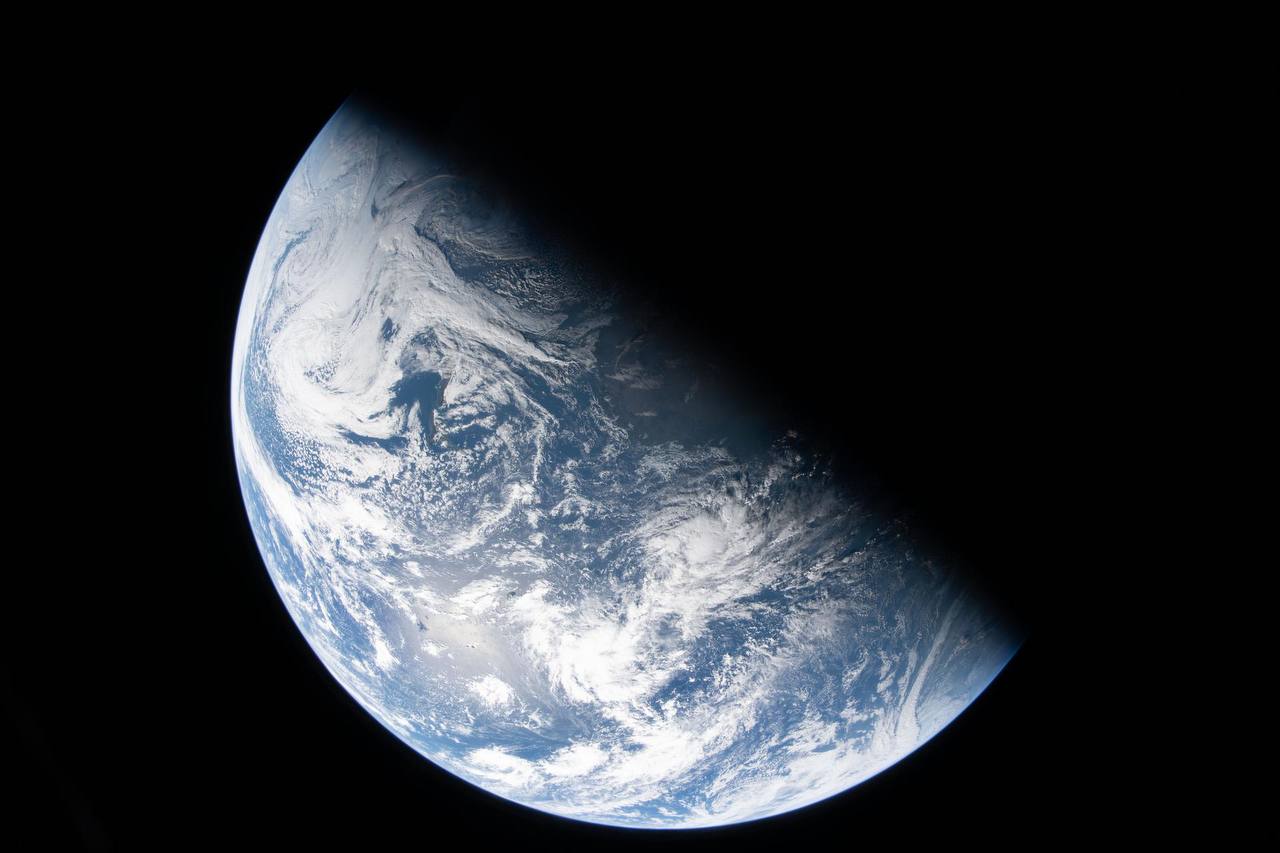

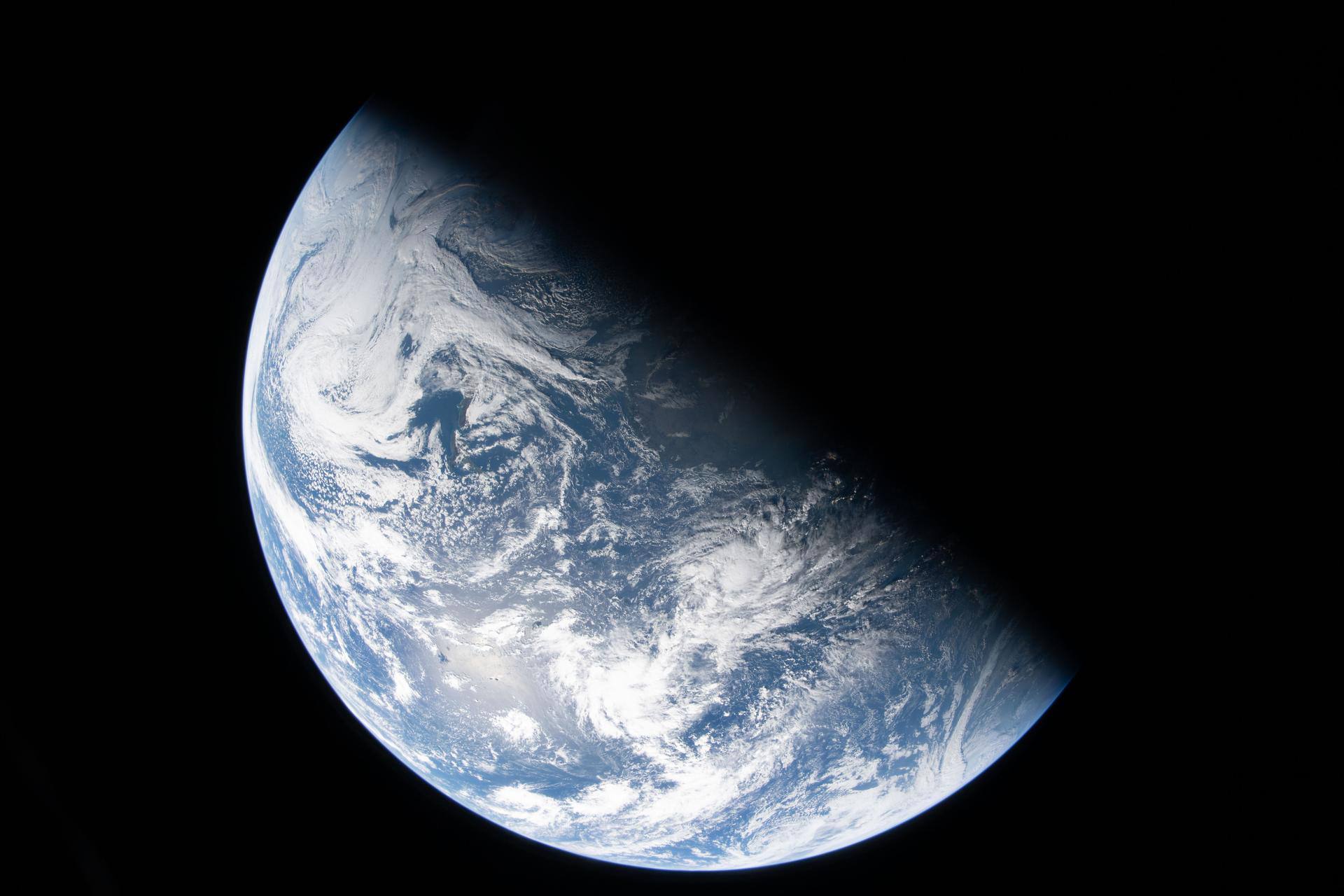
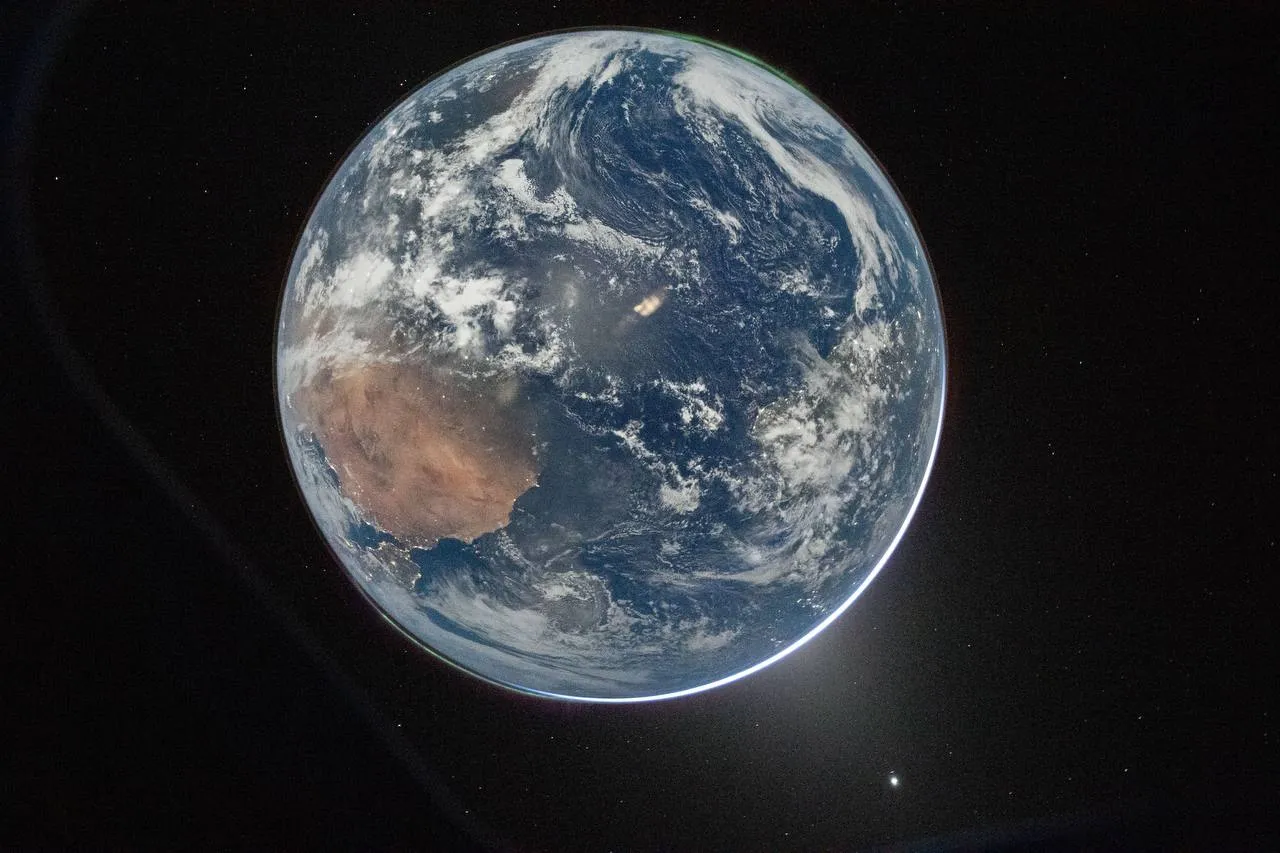
NASA’s Artemis II mission released a striking image titled “Hello, World,” captured by commander Reid Wiseman after a successful trans-lunar injection burn.
For the first time in over half a century, human eyes are looking back at Earth from deep space. NASA’s Artemis II mission, which lifted off from the Kennedy Space Center on April 1, 2026, has not only pushed the boundaries of human exploration but has also gifted humanity with a spectacular new photo album of our place in the cosmos.
Hello, World. NASA
"Hello, World"
After completing a successful trans-lunar injection (TLI) engine burn, Artemis II mission commander Reid Wiseman pointed his Nikon D5 camera lens through the Orion capsule window towards Earth. He captured an awe-inspiring photograph that NASA has officially titled “Hello, World.” This marks the very first photograph of our home planet taken by a human from beyond low Earth orbit since the Apollo 17 crew captured the "Blue Marble" in 1972.
By analyzing the photograph alongside our infographic, viewers can spot several distinct features:
Venus: A tiny, bright dot shining through the vast darkness of space just beyond the top-left edge of Earth.
Zodiacal Light: A faint, hazy glow stretching into space, caused by sunlight reflecting off interplanetary dust.
Earth’s Atmosphere: A thin layer glimmering brilliantly at the edge as the Earth eclipses the Sun.
Aurora Lights: Glowing distinctly at both the top right and bottom left edges of the globe.
Nighttime City Lights: Clearly visible outlining the continent of Africa and the Iberian Peninsula at the bottom left.
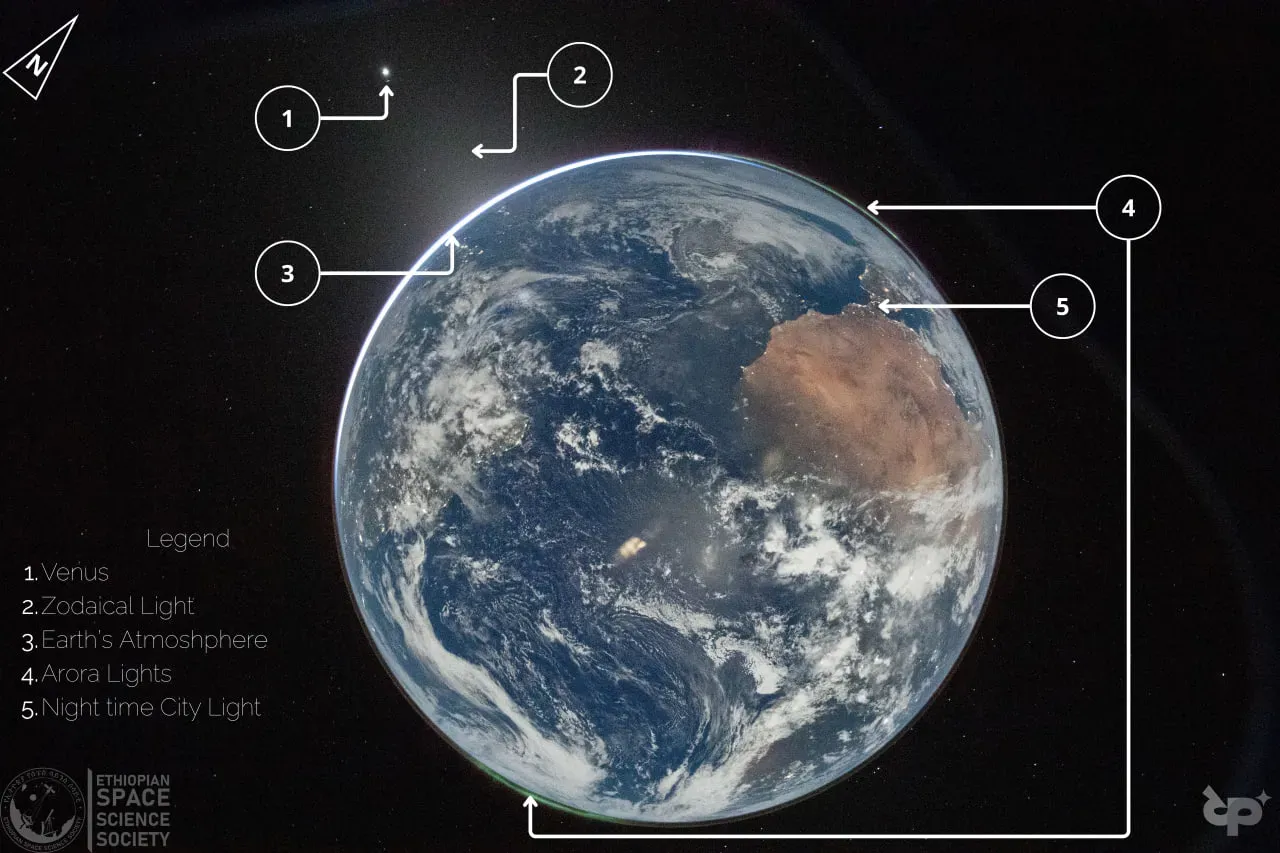
"Hello, World" Image infographics of what we see on the image (NASA/Reid Wiseman)
Note that for clarity, the Artemis II "Hello, World" image discussed above have been rotated to show North pointing up (the original, unedited captures for both were actually oriented with South pointing up).
Hello, world. metadata display over 51200 ISO thus giving the picture the brightness of a day despite Earth covering the sun having lit by moonlight. In digital photography, high ISO settings act like an amplifier for light. However, while it amplifies the faint light of the auroras and city grids, it also amplifies electronic interference, known as "digital noise." This noise appears as the scattered, grainy pixels seen across the Artemis II image. It is a necessary photographic trade-off: the grain is the price paid to capture a breathtaking, unprecedented view of Earth's night sky, glowing atmosphere, and city lights from hundreds of thousands of miles away.
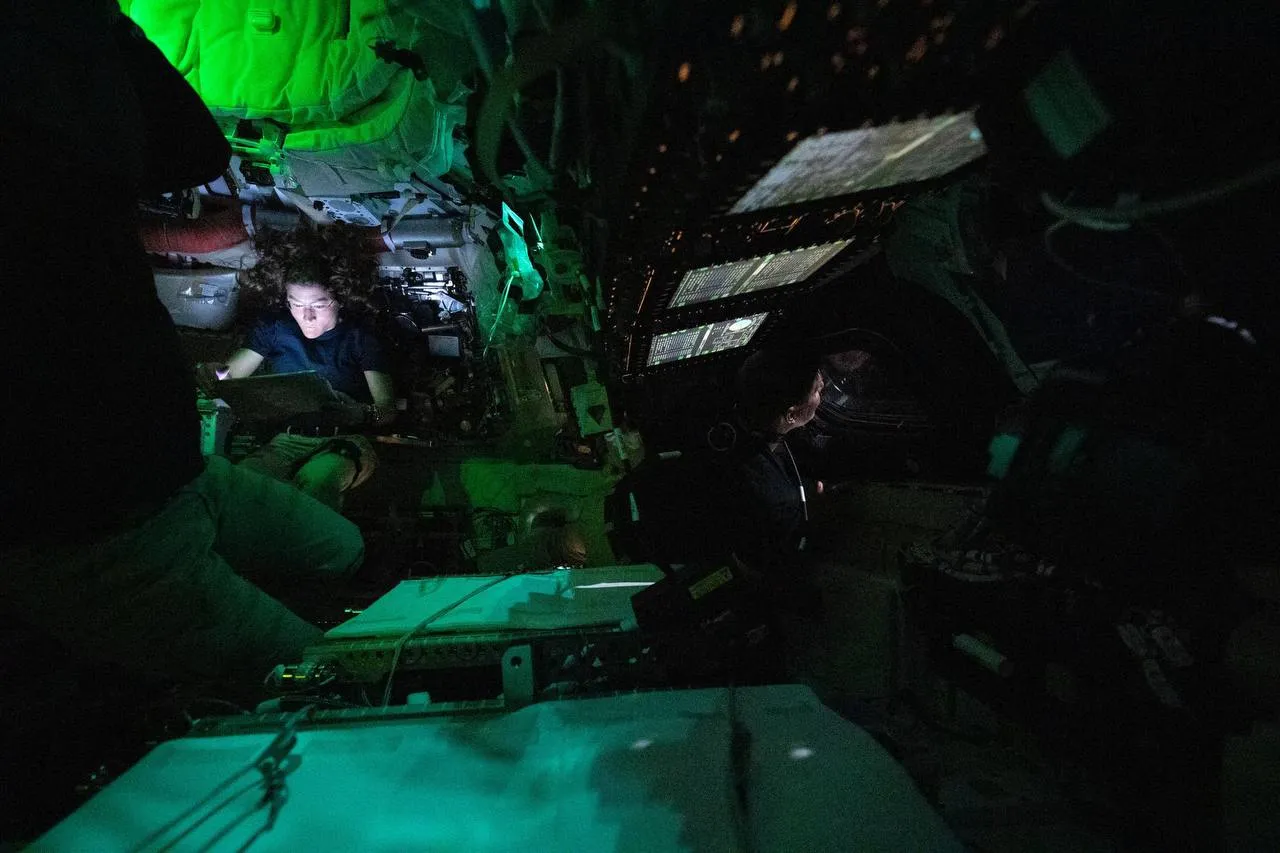
Illuminated in Orion NASA
Choosing Earth from the Darkness of Space
To avoid glare on the spacecraft's windows and capture these pristine shots, NASA instructed the crew to turn off the internal cabin lights. Among the other released pictures of the journey are intimate, darkened cabin moments. One standout image features Mission Specialist Christina Koch working on her personal computing device (PCD), while beside her, Canadian Space Agency astronaut Jeremy Hansen looks out of the window of the Orion spacecraft (nicknamed Integrity).
The emotional weight of this outbound journey was summarized perfectly by Koch. Following the critical TLI burn that committed them to their lunar trajectory, she radioed back to Mission Control:
“With this burn to the Moon, we do not leave Earth. We choose it.”
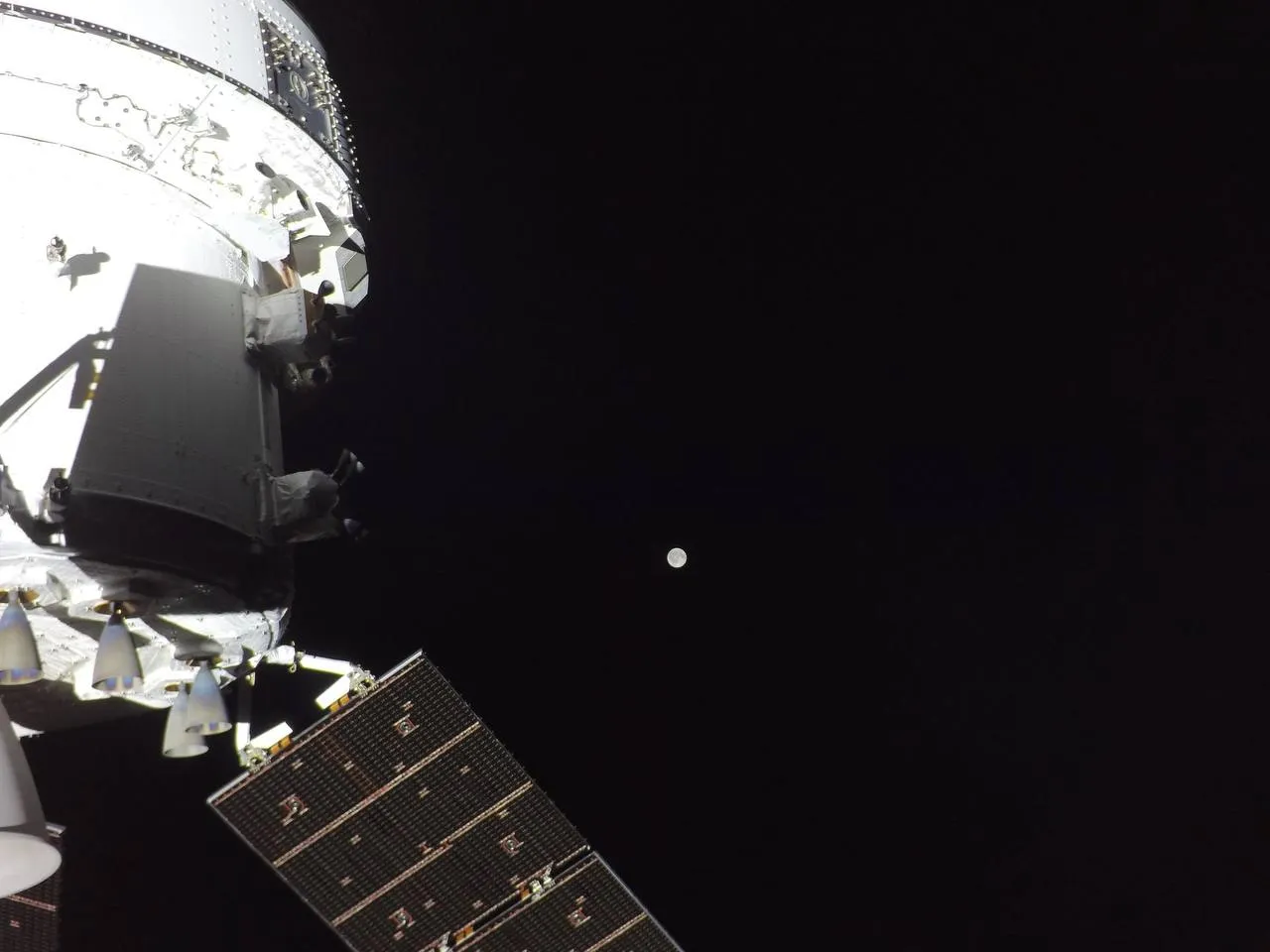
Hello, Moon NASA
The Orientale Basin and the Lunar Approach As the Artemis II crew entered their fifth day of flight en route to the Moon, external cameras mounted on the tip of one of Orion's solar array wings captured the spacecraft with the Moon steadily growing larger in the distance. Upon reaching the Moon to fly by its far side, the crew took a picture that was the first of its kind.
For the first time in history, the entire Orientale Basin was witnessed directly by human eyes. Sitting on the boundary between the Moon's near and far side, this massive, multi-ringed basin is 930 kilometers wide and was formed around 3.8 billion years ago by a catastrophic asteroid strike. Because of where the spacecraft is positioned on this unique trajectory, the Artemis II mission is providing humanity with a better, more complete look at the Moon than any previous lunar mission. 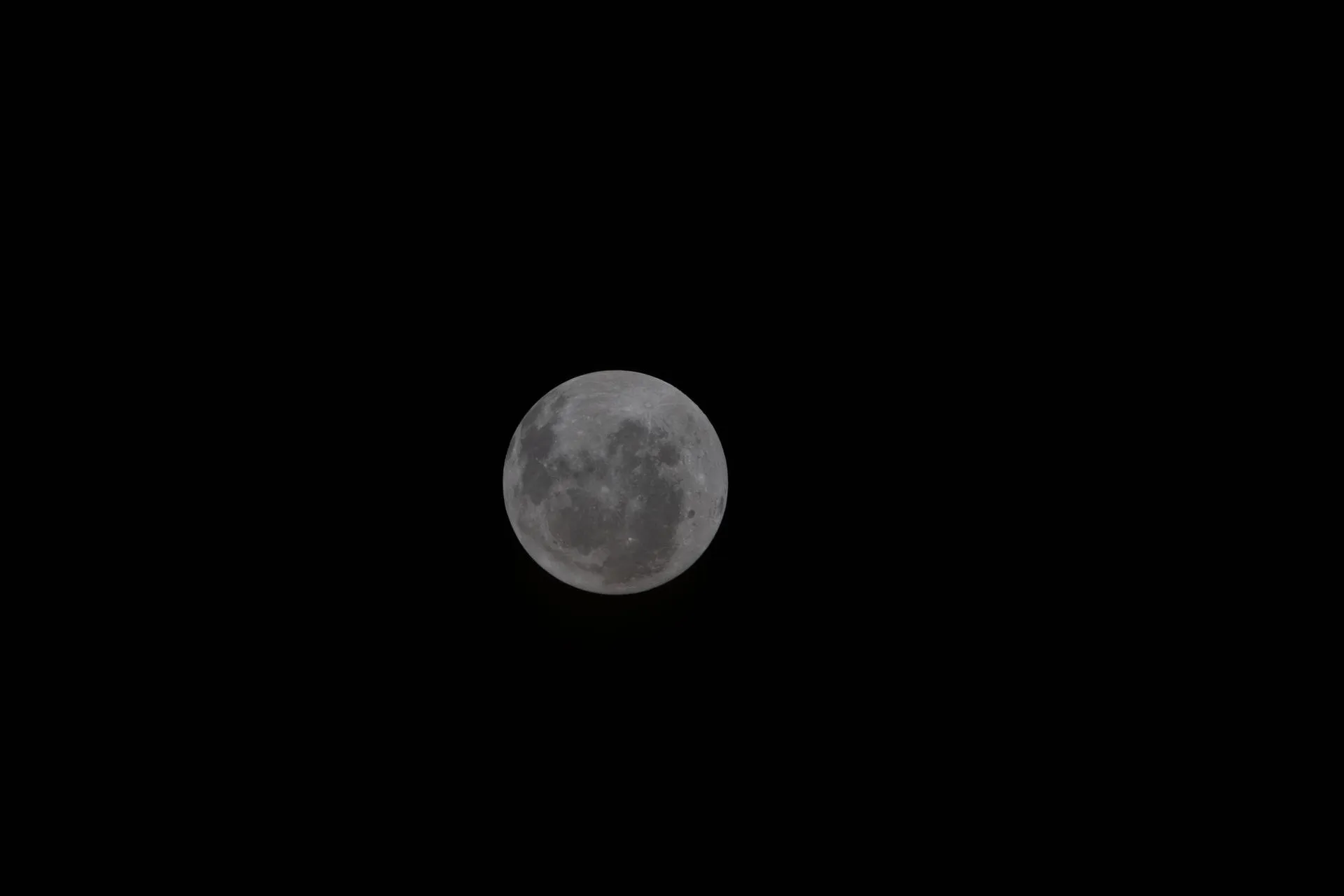
NASA
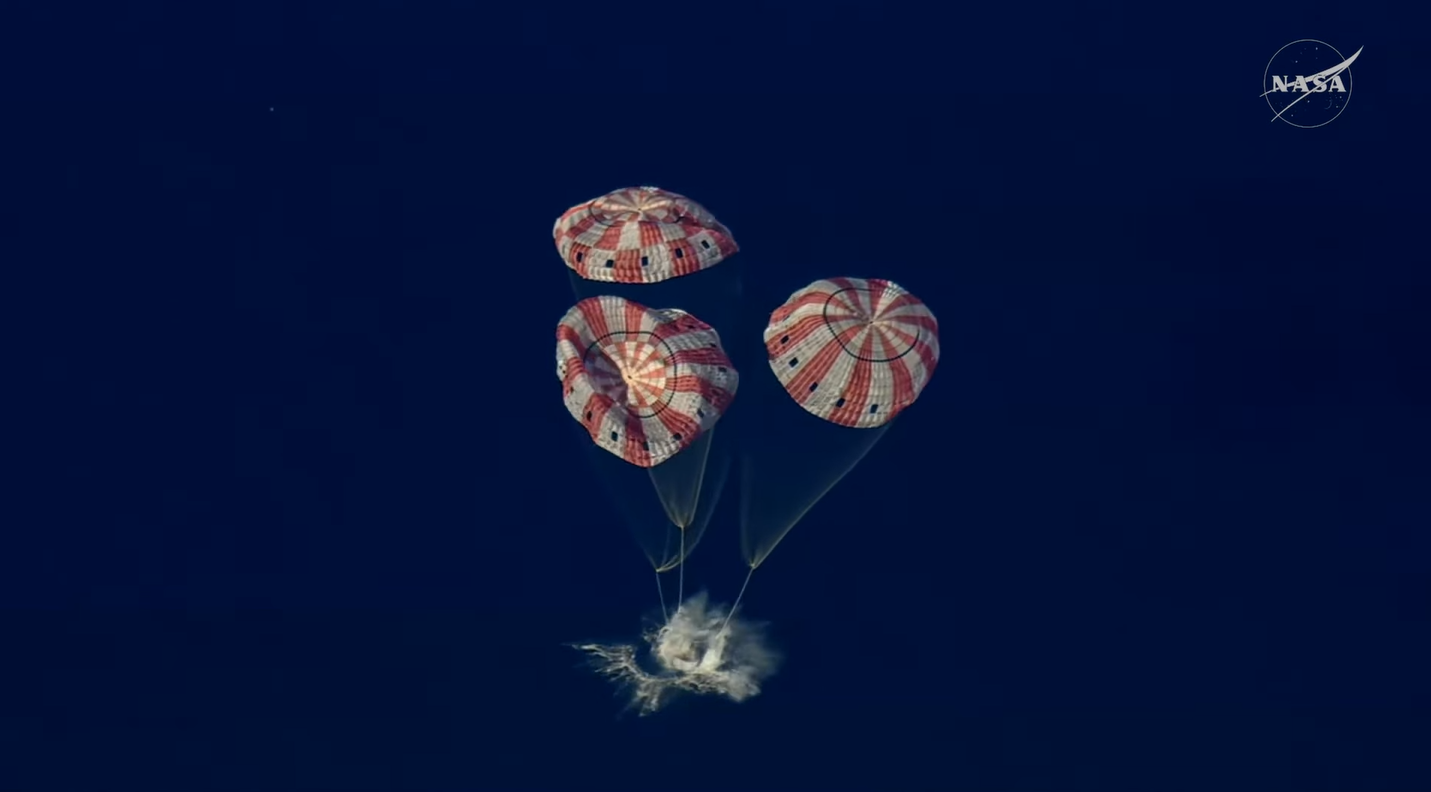
History is in the making. Orion has successfully performed its powered flyby, using the Moon's gravity for a slingshot back toward Earth. In the coming days, the world awaits a safe splashdown as these four astronauts continue to share their historic view of the cosmos.