
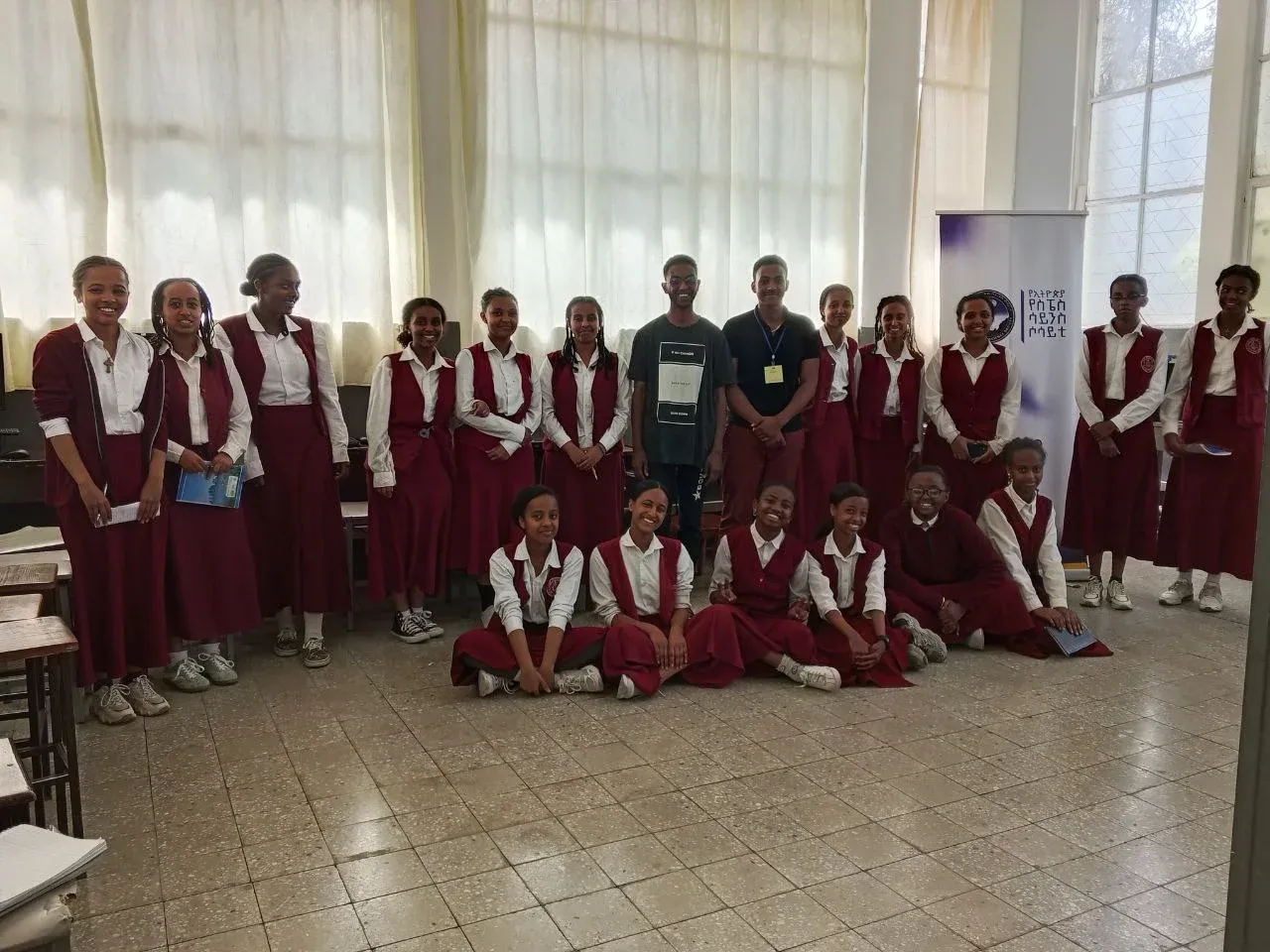
This week’s CSP outreach reflects more than a training session; it represents the growing integration of Ethiopian high school students into real astronomical research under structured citizen science initiatives.
Rigorous Asteroid Discovery Citizen Science Projects Are Being Performed in Ethiopian High Schools Under the International Astronomical Search Collaboration (IASC) × ESSS Partnership.
Here we are back again with the long-awaited, interactive scientific series of events — Citizen Science Projects (CSP) — specifically, the Ethio Asteroid Search Campaign.
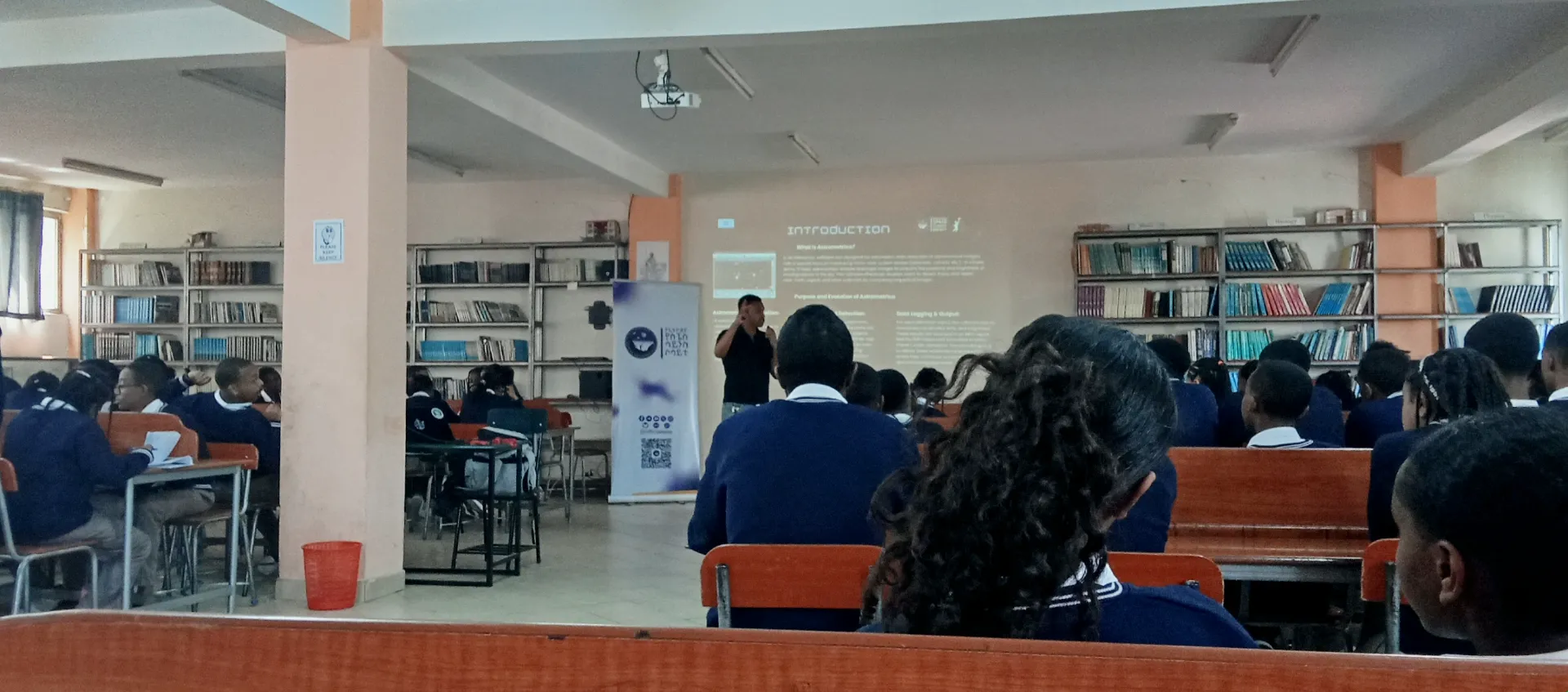
This past week, our ESSS-CSP team has been conducting school outreach programs among permanent member high schools across Addis Ababa. The outreach was mainly aimed at training passionate students on the operation of asteroid searches using the official astrometric data reduction software called Astrometrica.
Beyond this specific workshop, the training was also themed on deciphering the existing systems of Citizen Science Projects, institutional structures, and the operational stages each project must pass through before official approval. We further explained how students are introduced to such research-grade projects so that they can become competent in the field of Astronomy within the global arena.
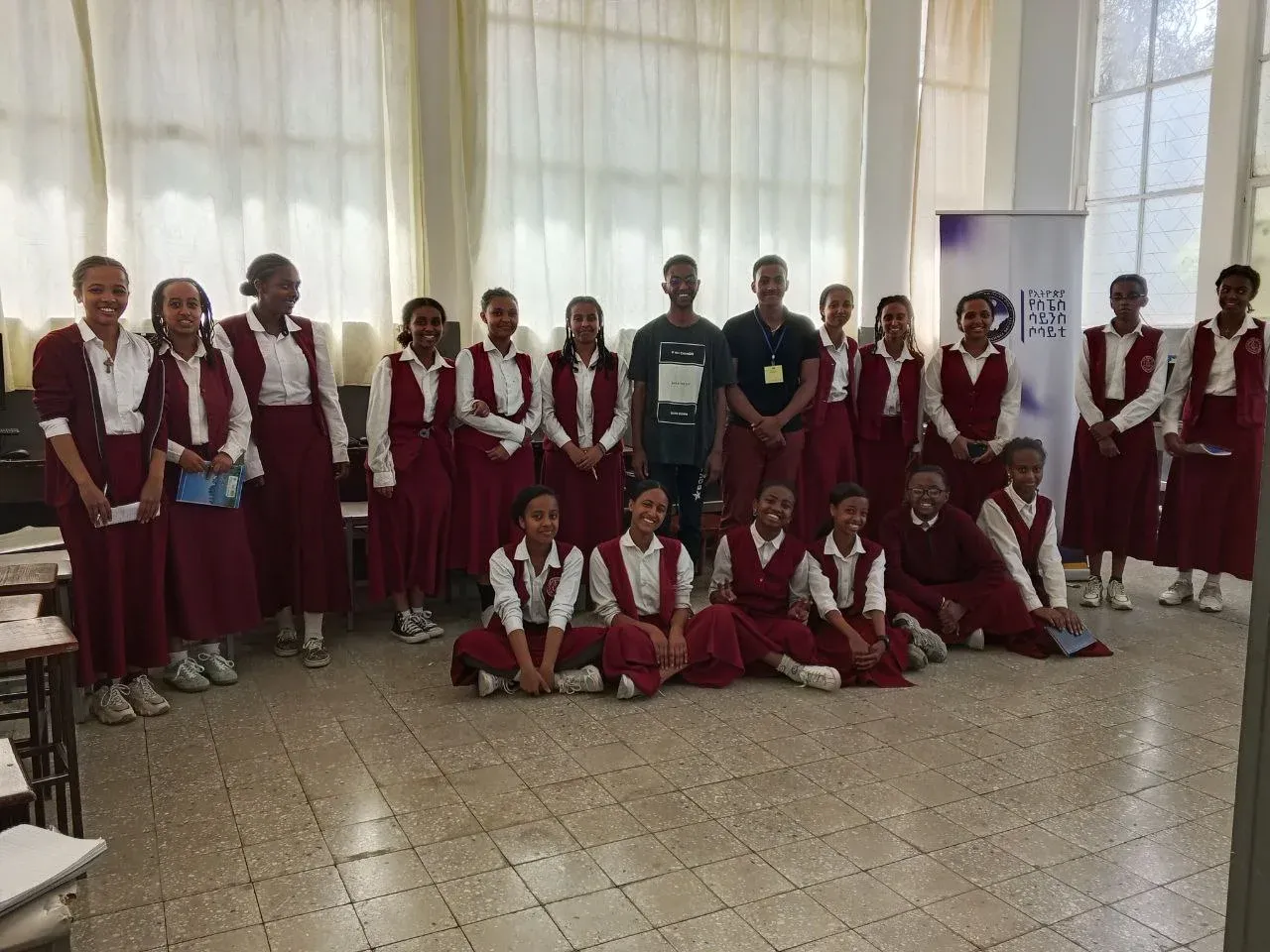
This week, we addressed three high schools with approximately 30–40 invested students from each school. The schools were:
- Saint John’s Baptist de La Salle School
- Hillside School
- Nazareth Girls’ Secondary School
What is this Asteroid Searching Campaign?
IASC’s Asteroid Search Campaign is a worldwide operation focused on detecting and tracking Main Belt Asteroids. It is crucial to monitor this set of asteroids because some may eventually join the list of Potentially Hazardous Asteroids (PHAs) that could pose serious threats to Earth.
The rationale of this extensive campaign is not limited to collision avoidance. It also supports the Minor Planet Center (MPC), the international institution responsible for tracking minor planets such as asteroids, centaurs, and comets. The collected data serves multiple scientific purposes, including:
- Investigating evolutionary traces of life
- Preparing for future asteroid mining initiatives
- Calculating orbital parameters of Main Belt asteroids
This wide array of global citizen science projects is supported by NASA, a pioneering institution demonstrating the real impact of citizen science and expanding Open Science practices worldwide, particularly through its free courses under NASA TOPS.
In addition to asteroid detection, citizen science initiatives have also contributed to exoplanet studies through space telescopes like Kepler, where publicly available datasets allowed ordinary citizens to assist in identifying planetary transits beyond our solar system. This further demonstrates how structured public participation can meaningfully contribute to frontier scientific research.
Previous Achievements
We are proud to state that Ethiopian high school students have previously discovered a provisional Main Belt asteroid named “2023 SY20.” Its detailed orbital parameters and simulated trajectory are recorded in the Small-Body Database of NASA’s Jet Propulsion Laboratory.
This achievement laid the groundwork for establishing our Citizen Science Projects division under ESSS, enabling us to expand asteroid discovery initiatives alongside other astrometric computational projects such as:
- Exoplanet detection
- Galaxy classification
- Junior research projects
Our ultimate aim is to transform regular citizens — especially students — into grounded, self-paced researchers who contribute meaningfully to the global scientific community.
Our Current Progress and Expansion
Previously, CSP projects were undertaken through the efforts of self-devoted and aware students and professionals who had built close relationships with the Ethiopian Space Science Society (ESSS).
Now, we have expanded in a more structured manner to reach devoted minds often constrained by academic pressures and limited extracurricular exposure.
Our progress includes:
- Establishing permanent memberships with selected pilot high schools
- Developing our own online mission management and asteroid discovery report submission portal
- Providing virtual training sessions for new asteroid hunters
- Submitting January’s Pan-African Asteroid Search Campaign
Additionally, we have prepared accessible guides and documentation resources so that any student or interested citizen scientist can master:
- How to use the Astrometrica asteroid detection software
- How to install image sets sent from the Pan-STARRS telescope
- How to submit reports through our official mission management portal
The campaign runs year-round. At the end of each month, students receive participation certificates, preliminary detection results, and mission updates for the following month.
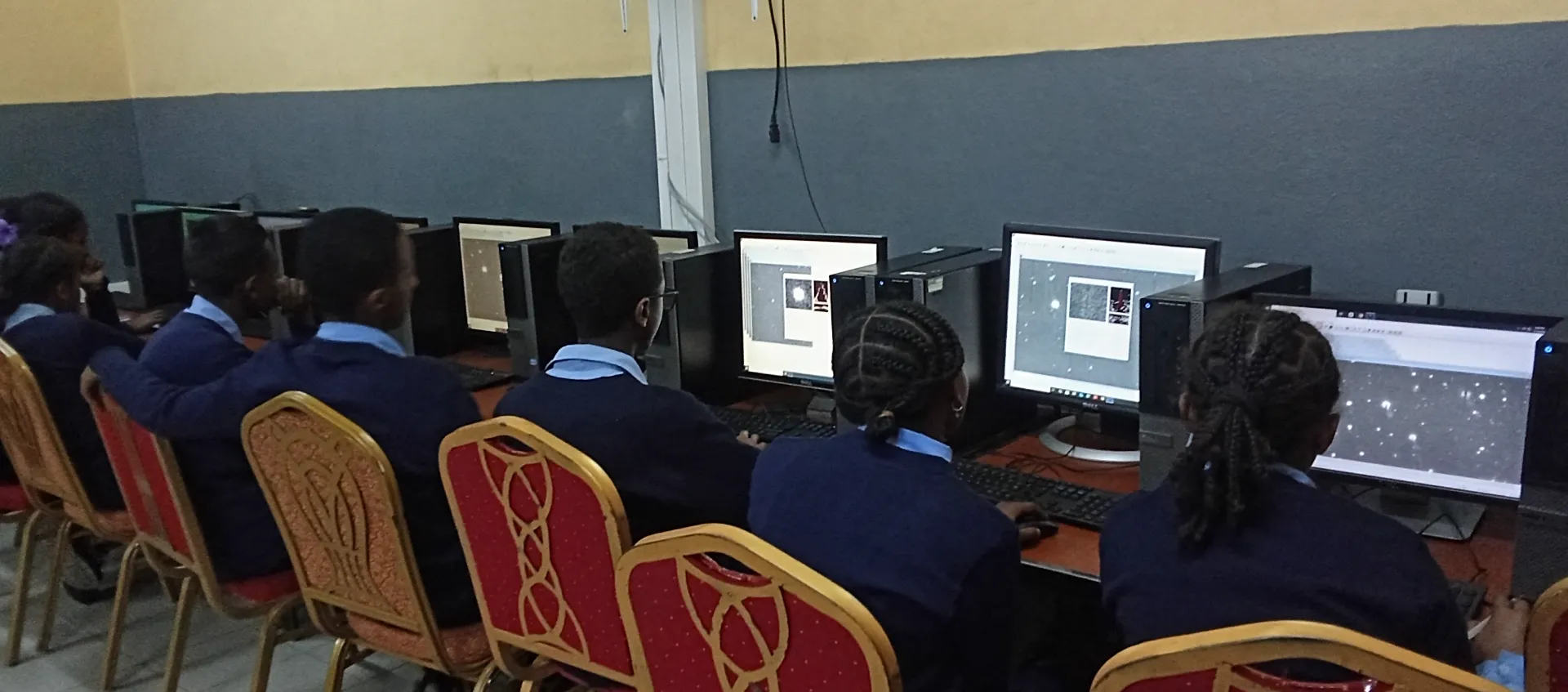
Students analyzing astronomical image sets using Astrometrica software during the school outreach training session.
Our Reflection
We, the technical team leads of CSP, were both excited and reflective throughout our experience training high school students.
Three main factors made us realize that our school outreach was truly worthwhile:
- Well-built training facilities – The schools we visited were well organized, equipped with functional school networks, simple sound systems, and sufficiently spacious environments for demonstrations. Indeed, these are the only essential facilities required to execute meaningful and impactful scientific projects.
- Appreciative administration – The school principals and assigned coordinators clearly understood the impact of such projects and the opportunities they create for interested students.
- Dynamic and well-grounded teachers – The teachers were welcoming and engaged with students respectfully during the sessions. This atmosphere gave us full confidence and sufficient time to address the more technical aspects of the asteroid search projects.
Special Observations in Specific Schools
Hillside Secondary School
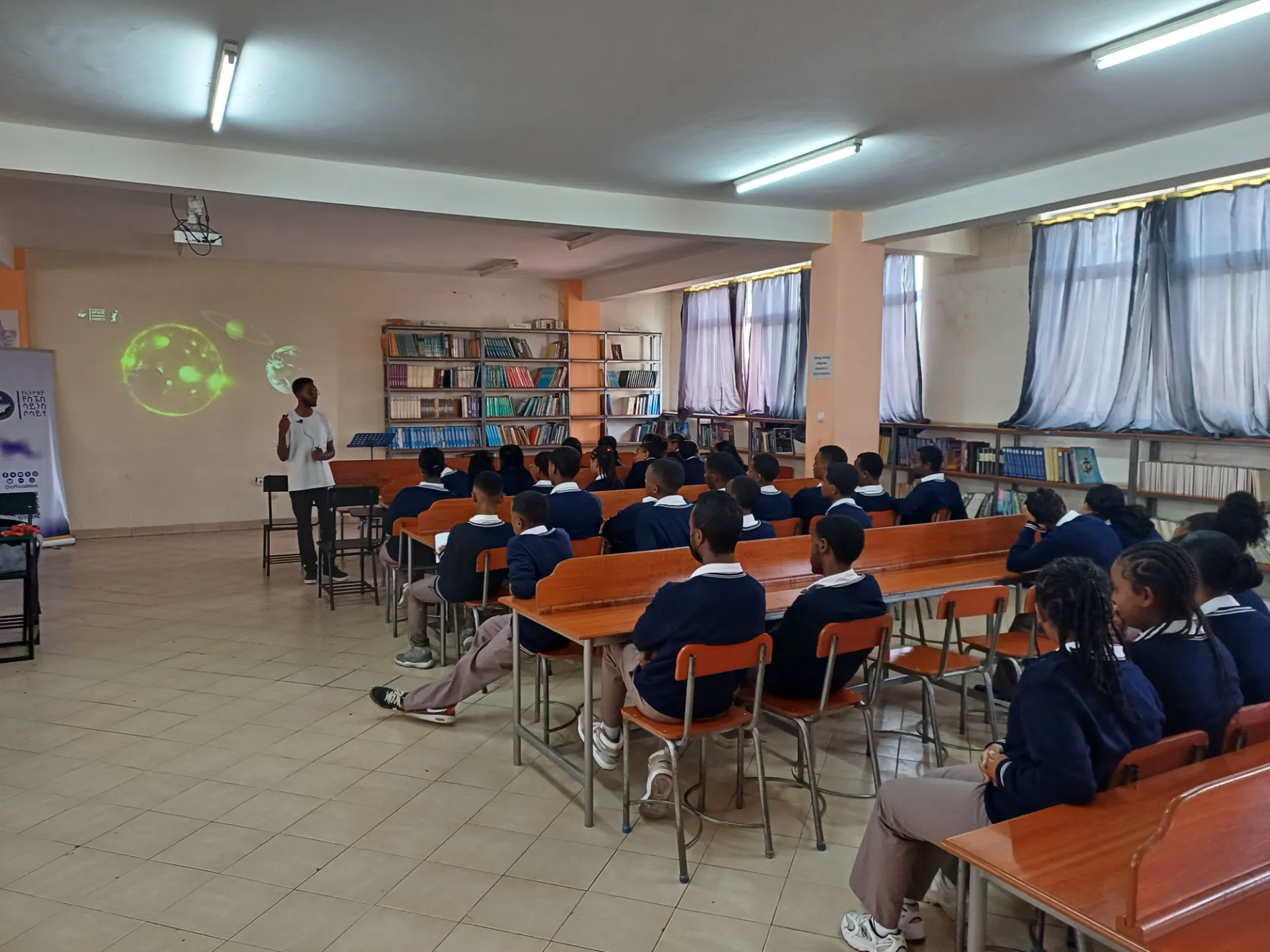
Here, we observed diversified strengths and interests among students — exactly the kind of diversity needed to build the scientific society we envision.
Relatively speaking, male students demonstrated strong interest in the technical presentation, while female students were more engaged and interactive during the introductory and impact-analysis sections of the outreach.
This observation led us to an important realization: alongside technical experts executing core scientific projects, we also need strong storytellers and science communicators — much like the talented female students we noticed at Hillside — to create national and global impact.
It becomes a simple yet powerful formula:
Storytelling + Technical Acumen = Observable Impact
Nazareth Girls’ Secondary School
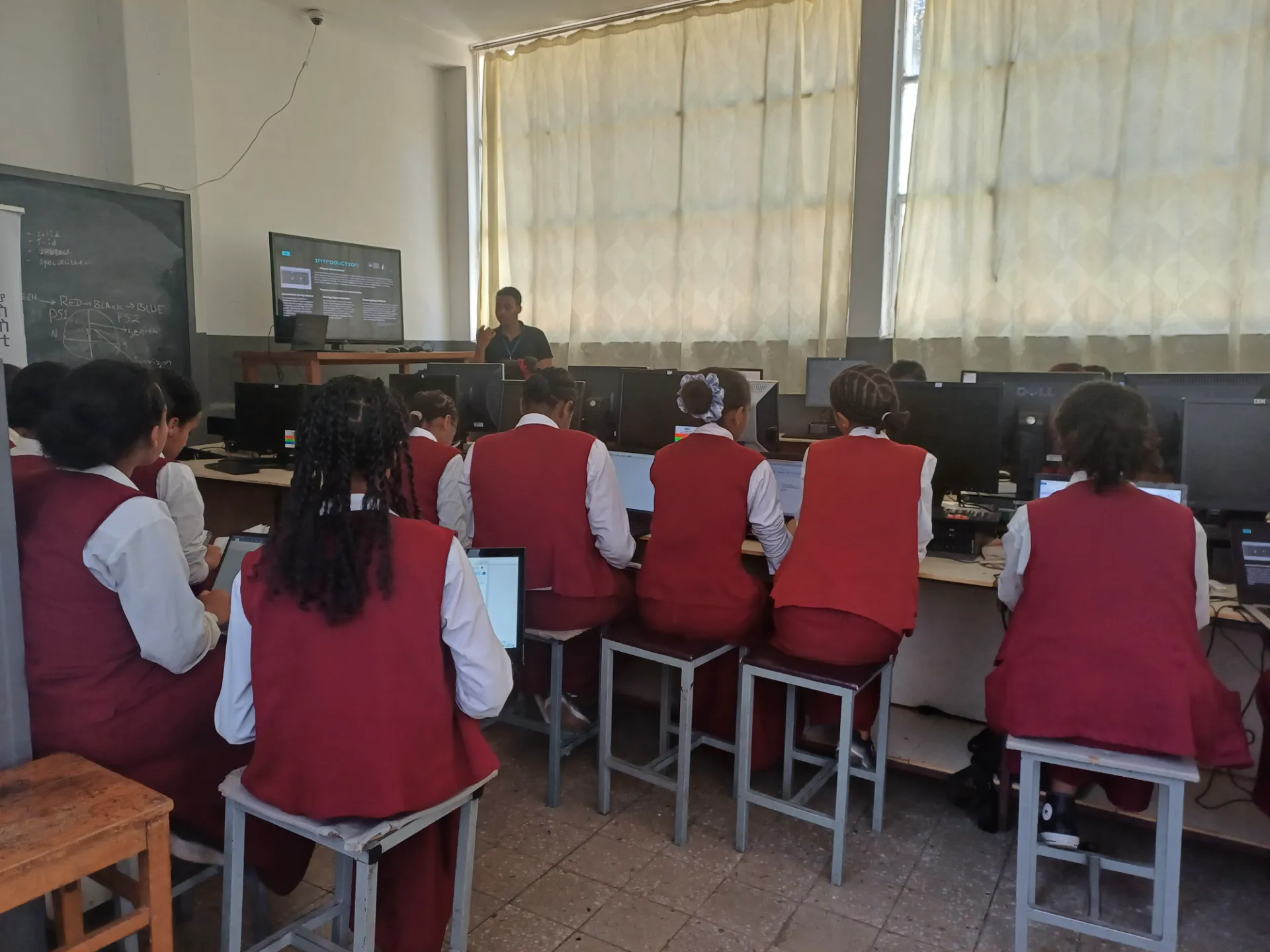
Here, we witnessed a complete image of scientific harmony and dynamic mindset. There was seamless synergy among the students (all girls, around 30–40 in number), which significantly eased our operations.
To our surprise, some students had already begun setting up the Astrometrica software independently using the online resources we had shared. We observed visible respect and trust between the Astronomy Club president and fellow students attending the session.
We also sensed a genuine thirst for real citizen science projects. When we asked whether they preferred to continue deeper explanations behind the software’s operational mechanics or return to their regular academic ranking activities, their eagerness for deeper scientific engagement derived them to stay focused on the lesson.
Saint John’s Baptist de La Salle School
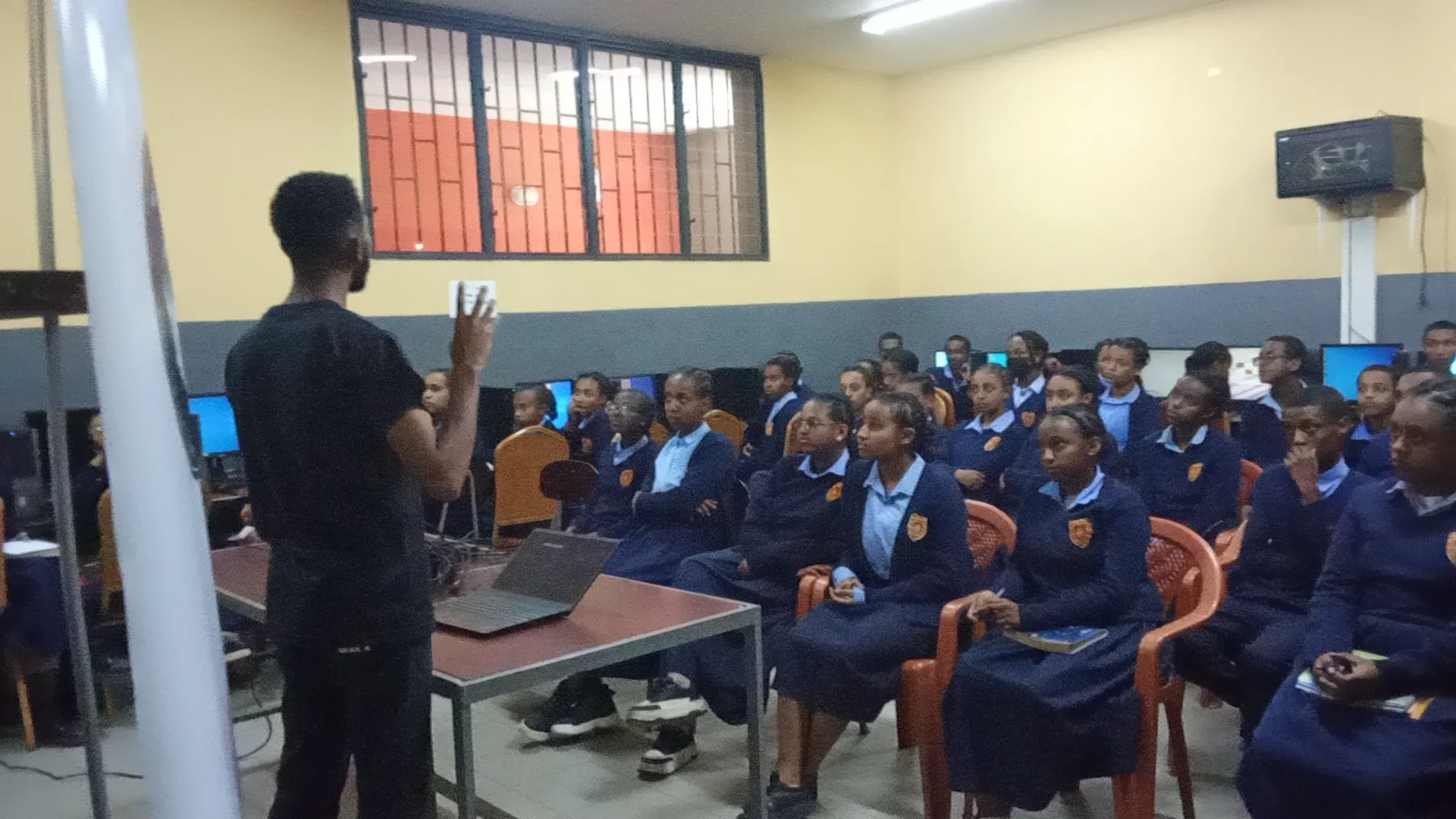
Here, we witnessed senior-level understanding of astrophysical concepts driven by pure interest and creative thinking.
We received dozens of thoughtful questions regarding the physical implications behind each process demonstrated during the software operation for asteroid detection. The depth of questioning reflected not just curiosity but intellectual seriousness.
Summary
This week’s outreach reflects more than a training session; it represents the growing integration of Ethiopian high school students into real astronomical research under structured citizen science initiatives.
The project directly aligns with the core fields of Astronomy, Space Science, Citizen Science, and technological empowerment. It demonstrates that, with proper guidance and structured platforms, Ethiopian students can meaningfully contribute to global scientific efforts.
Nationally, this implies that our scientific future is not limited by geography but shaped by opportunity and organization. Globally, it shows that emerging scientific communities can participate in frontier research through collaborative frameworks like IASC × ESSS.