

The most critical event of Artemis II is yet to happen, the splashdown. It is a precedent of phases for crew getting home. From the separation of the crew module and service module to recovery every step is as crucial as ever. This uniquely risky period combines reentry, water impact, and open-ocean survival and rescue into a tightly coupled sequence.
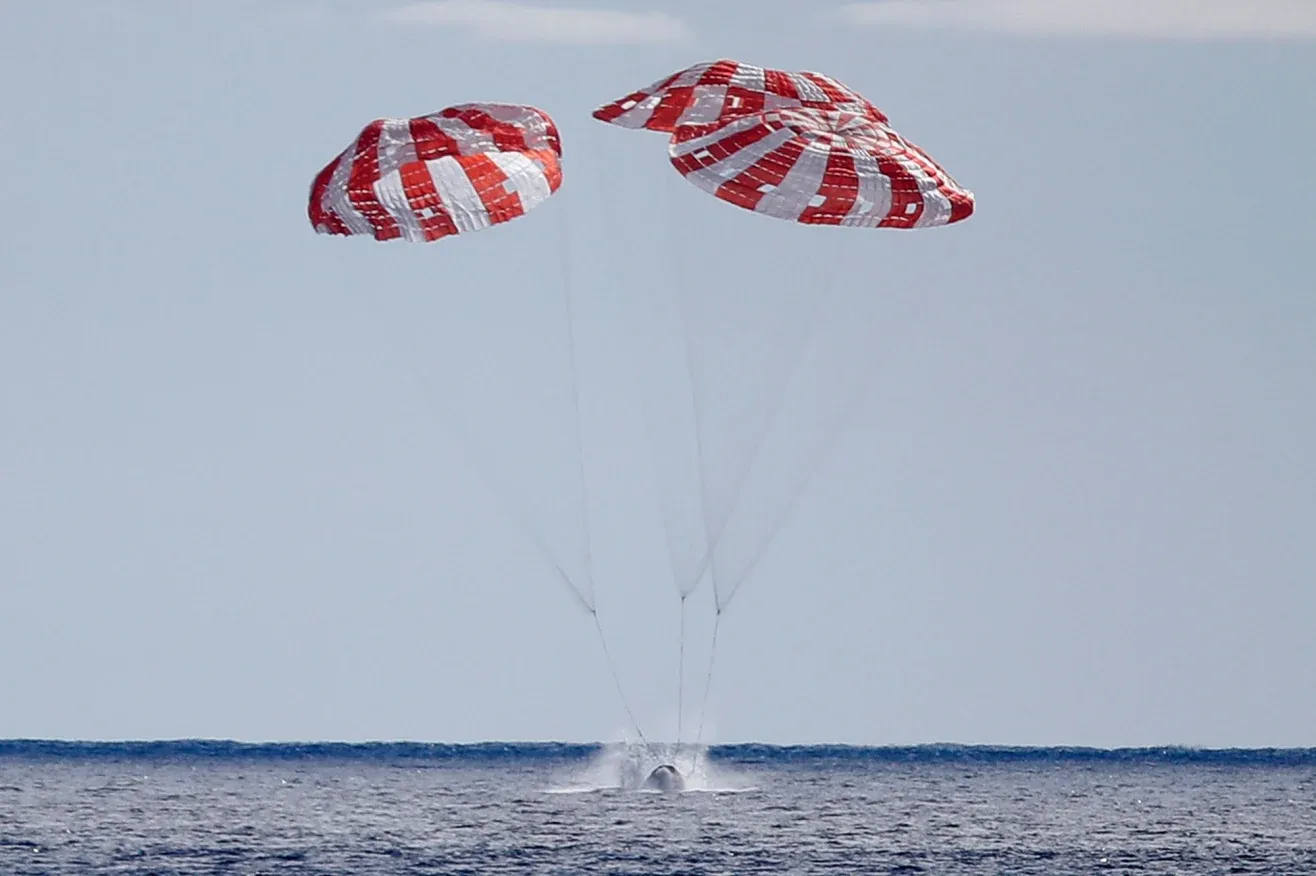
uncrewed Artemis I Moon Mission splashdown | NASA
Any parachute malfunction near the surface leaves almost no recovery time. It’s the hardest part of a crewed mission because the spacecraft has to survive extreme heat, hypersonic speed, and ocean impact all at once. A small error can turn successful missions into survival missions. Reentry generates plasma hotter than the sun surface, stressing the Orion heat shield to its limit.
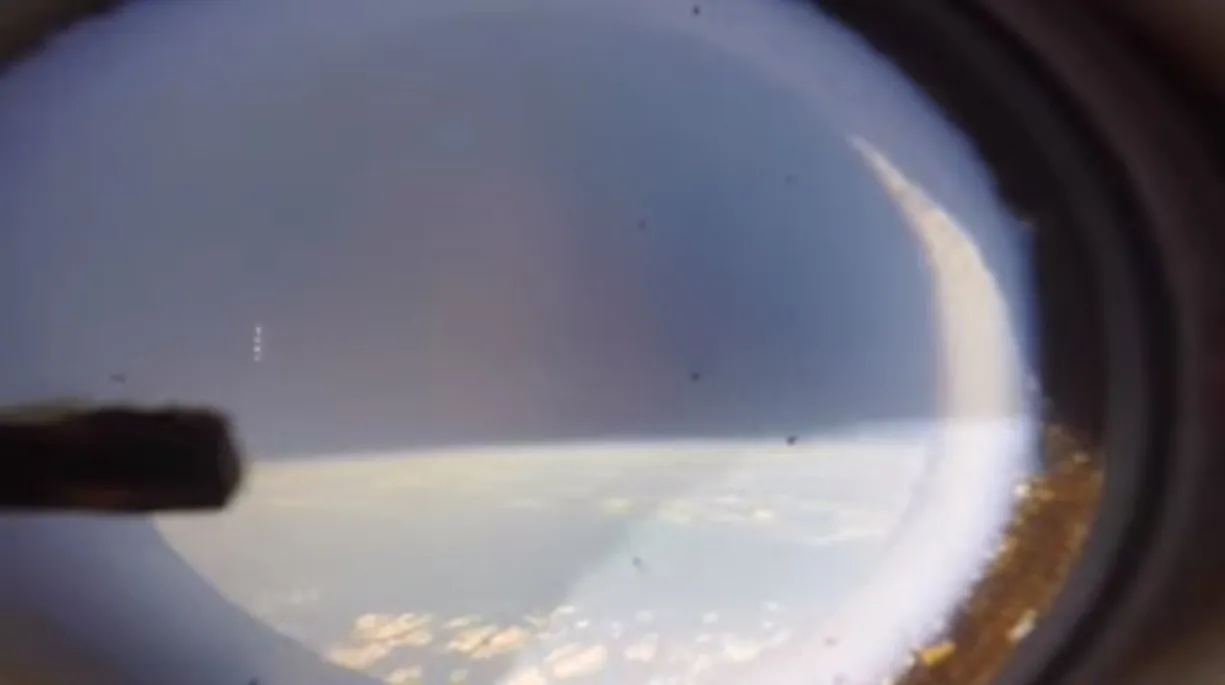
Inside the Artemis I Orion capsule as it headed to Earth 2022 Credit: NASA
20 minutes before entry interface after separation of the module, the final module raises burn to fine tune the flight path angle with a couple of roll maneuvers that help additional separation.
The Capsule hit interface at 400,000ft for the next 6 minutes, it will also hit a radio blackout which is the point plasma has built up around the spacecraft while it is falling down to 150,000ft. The two drogue parachutes deploy about 22,000ft slowing Orion down by 200miles/hour. The three orange parachutes will be deployed at 6000ft altitude.
After 15 minutes of splashdown, the Orion capsule's power will be down for the ground team that includes ocean divers, Medical and military personnel, to start recovery procedures. The recovery team has been practicing for possible rolling, the risk of flooding, and sinking.
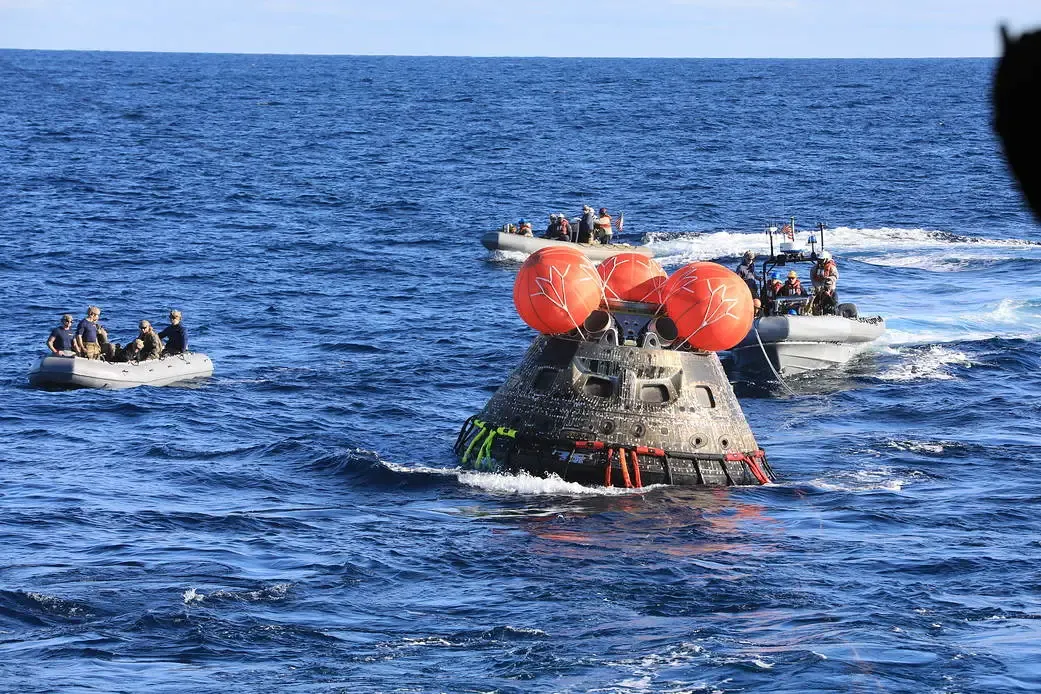
Artemis I Orion spacecraft splashdown Sunday Dec 11. 2022 NASA/kim shiflett
The splashdown may mark the end of the Artemis II mission but it’s far from a soft landing. The last test for engineering is where every step must be nominal.
One of nasa missions that highlights these risks are artemis I’s uncrewed mission back in 2022 that exposes the vulnerabilities of the splashdown sequence. During the skip entry maneuver, the avcoat shield lost char material due to gas buildup which prolonged peak heat and caused micro-cracks from the pressure.
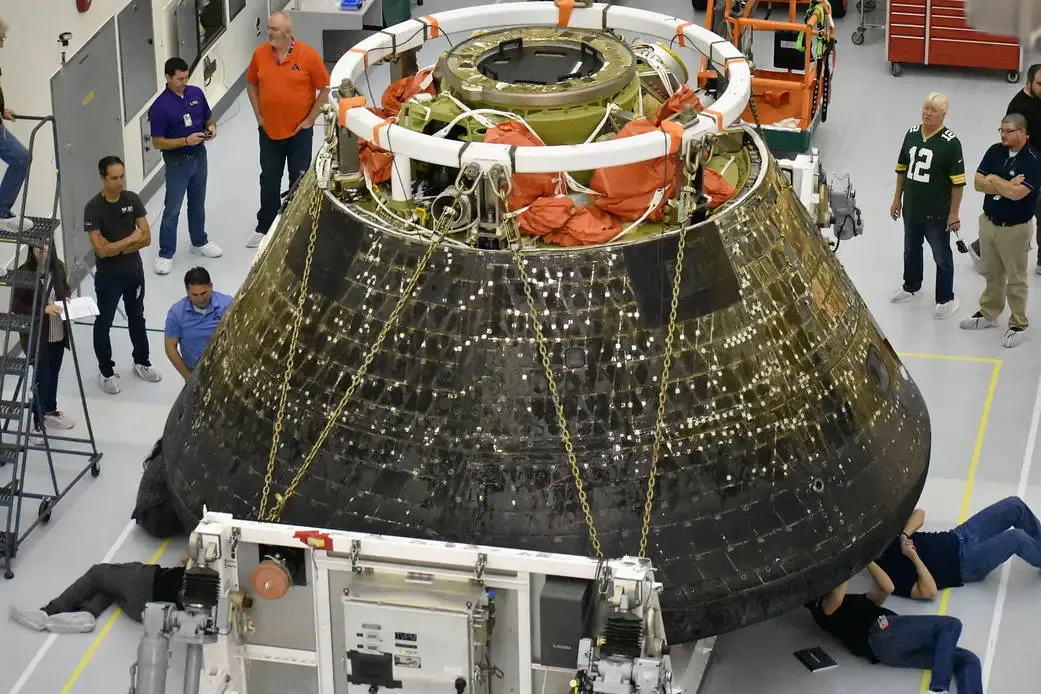
Inspection of Artemis I Orion spacecraft's heat shield at NASA's Kennedy Space, NASA/Skip Williams
For Artemis II, NASA has refined the shield by improving application uniformity and reducing permeability to ensure gas venting, nasa also shifted to a direct entry trajectory, cutting the skip phase to minimize heat soak.
ISS vs lunar mission reentry
A capsule coming back from low orbit reenters at roughly orbital speed whereas a capsule coming back from lunar orbit leaving the moon's gravitational environment hits the atmosphere faster.
Lunar mission capsule slams in at 11km/s generating triple heat and a steeper descent that shortens the timeline for parachute deployment.
NASA’s decorative ISS crew member Chris Hadfield described his reentry experience as a "brutal ride home, a heavy squishing gravity-driven rude way to come home,"
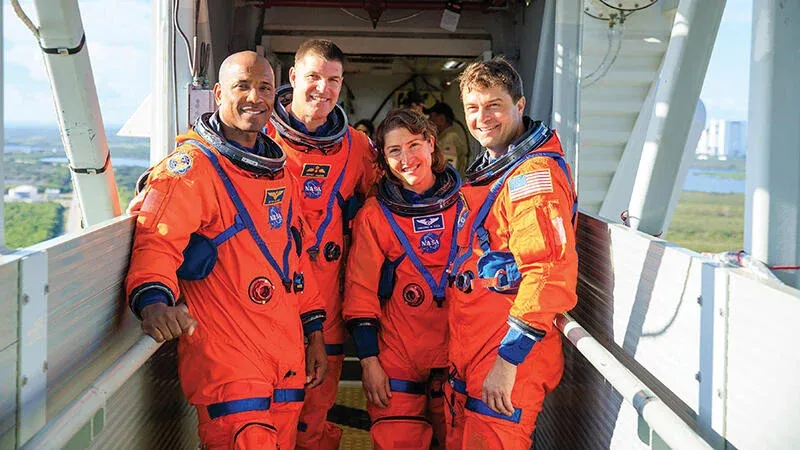
Artemis II crew members (left to right) Pilot Victor Glover, Mission Specialist Jeremy Hansen, Mission Specialist Christina Koch, and Commander Reid Wiseman stand on the crew access arm at Kennedy Space Center.
The Artemis 2 Orion capsule and its four astronauts will return to Earth on April 11, at 00:07 p.m. Eastern African Time with a splashdown in the Pacific Ocean off the coast of San Diego, California.